
1. Introduction: Explaining the metaphor of marriage as a dance.
Marriage is often likened to a dance, where both partners move together in harmony, trusting each other's steps and following the rhythm of life hand in hand. Just like a dance requires coordination, compromise, and communication, so does a successful marriage. This metaphor beautifully captures the essence of the delicate balance required in relationships - the give and take, the synchronized movements, and the need for constant adjustment to stay in tune with each other. Understanding that marriage is a dance can provide valuable insights into the dynamics of a healthy partnership.
In this analogy, each partner has a unique role to play in making the relationship work smoothly. Just as dancers must be attuned to their partner's movements to create a beautiful performance, spouses must be attentive and responsive to each other's needs and emotions. It's about finding equilibrium while embracing individuality - knowing when to lead and when to follow, when to offer support or take charge. By viewing marriage through the lens of a dance, couples can appreciate the artistry involved in navigating challenges together and celebrating victories as one cohesive unit.
Stay tuned for more insights on how embracing this metaphor can enhance your understanding of marriage dynamics and help you build a stronger connection with your partner.
2. How Communication in Marriage mirrors Dance Partners' Steps.
Communication in marriage is a delicate dance where partners must move together in harmony. Just like in a dance, each step in communication influences the next. Listening attentively to your partner's cues is akin to following their lead on the dance floor. By being present and responsive, you create a rhythm that allows for a seamless exchange of thoughts and emotions.
Miscommunication often occurs when partners fail to sync their steps. Just as in dance, if one partner moves out of time or fails to anticipate the other's moves, the routine falls apart. In marriage, misunderstandings can arise when one partner fails to truly listen or consider the other's perspective. It is essential to be mindful of your partner's cues and respond accordingly, just as dancers must be attuned to each other's movements.
Effective communication in marriage requires patience, empathy, and active listening - qualities that are also vital in successful dancing. Just as dancers must communicate through movement and expression, partners in marriage must convey their thoughts and feelings openly and honestly. By embodying these principles, couples can ensure that their communication flows smoothly, much like a well-choreographed dance between two partners who are in perfect synchrony with each other.
3. Trust as the Rhythm of the Marriage Dance.
Trust is like the rhythm that grounds the dance of marriage. In any dance, a steady beat keeps the dancers in sync with each other, allowing them to move harmoniously together. Similarly, trust in a marriage provides the foundation for openness, vulnerability, and connection between partners. When both individuals trust each other fully, they can express themselves authentically without fear of judgment or betrayal.
Without trust, the dance of marriage can quickly falter. Just as a dancer who loses the beat struggles to maintain coordination with their partner, a lack of trust can lead to misunderstandings, conflict, and distance between spouses. Trust serves as the invisible thread that weaves through every interaction in a marriage, strengthening bonds and fostering intimacy.👌
Building trust in a marriage requires consistent effort from both partners. Honesty, reliability, and integrity are essential components of trust-building. Each action taken within the marriage either strengthens or weakens this foundation of trust. Communicating openly and transparently, honoring commitments, and being accountable for one's words and actions are ways to nurture trust in a relationship.
As partners navigate the intricate steps of their marital dance, they must remember that maintaining trust is an ongoing process. Just as the rhythm of a dance requires constant attention and adjustment to stay in sync with the music, so too does trust in a marriage demand vigilance and care from both individuals. By valuing and prioritizing trust as the heartbeat of their relationship, couples can continue dancing through life's ups and downs with grace and unity.
4. Balancing Independence and Togetherness on the Dance Floor of Marriage.

In a marriage, finding the perfect balance between independence and togetherness is crucial. Just like in a dance, partners need the right mix of individuality and unity to move gracefully together across life's floor. Too much independence can lead to drifting apart, while too much togetherness might result in losing one's sense of self. It's essential for each partner to maintain their independence while cherishing the moments of togetherness that help strengthen the bond. By respecting each other's space and nurturing shared experiences, couples can create a harmonious rhythm in their marital dance.
Independence within a marriage is not about pulling away from your partner but about cultivating your own interests, hobbies, and personal growth. It's about recognizing that each individual brings unique experiences and perspectives to the relationship, enriching it with diversity and vitality. By pursuing personal goals and maintaining a sense of self-identity, partners can show up more fully in the marriage, bringing their enriched selves to the dance floor. This independence not only fosters personal fulfillment but also adds depth and vibrancy to the partnership.
Togetherness, on the other hand, is about creating shared moments of connection, intimacy, and collaboration in the dance of marriage. These moments serve as the heartbeat of the relationship, strengthening the bond between partners and fostering mutual understanding and support. Togetherness involves active listening, empathy, compromise, and a willingness to navigate through life's challenges hand in hand. It is through these shared experiences that couples deepen their emotional connection and build a solid foundation for their marital journey.
Balancing independence and togetherness requires open communication, mutual respect, and a willingness to continuously adapt and grow together as partners. Just like dancers intuitively adjust their steps to stay in sync with each other on the dance floor, married couples must learn to attune themselves to each other's needs and rhythms over time. This dynamic interplay between independence and togetherness forms the core essence of a healthy marriage - two individuals moving as one in harmony while celebrating both unity and uniqueness.
By embracing both independence and togetherness in their marital dance, couples can create a beautiful synergy that allows each partner to shine individually while flourishing together as a united duo. It is this delicate balance that sustains the passion, love, and longevity of a marriage - where partners evolve together yet remain true to themselves amidst life's twists and turns. So let your marriage be a graceful dance where moments of solitude harmonize with moments of closeness; where individual strengths complement shared dreams; where love leads every step on the journey towards deeper connection and lasting happiness on life's dance floor.
5. The Art of Compromise: Learning to Lead and Follow in the Dance of Marriage.
In the dance of marriage, one learns the art of compromise - a delicate balance of leading and following. Like partners on a dance floor, each spouse takes turns in leading and following to create harmony in the relationship. Knowing when to take charge and when to yield requires a deep understanding of one another's needs and desires.
Leading in marriage involves making decisions, taking initiative, and guiding the direction of the relationship. It requires confidence, responsibility, and attentiveness to your partner's feelings and concerns. Effective leadership in marriage is not about dominance or control but rather about being a supportive partner who can steer the relationship towards mutual growth and happiness.
On the other hand, following in marriage is about trust, respect, and cooperation. It means being receptive to your partner's lead, embracing their choices, and contributing positively to the partnership. Being a good follower requires humility, open-mindedness, and adaptability. It shows that you value your partner's opinions and are willing to collaborate for the betterment of the relationship.
The beauty of mastering the art of compromise in marriage lies in finding a rhythm that works for both partners. It involves give-and-take, communication, empathy, and self-awareness. By learning to lead with strength tempered by sensitivity and follow with grace grounded in trust, couples can navigate challenges together with unity and understanding. In this intricate dance of marriage, compromise is not a sign of weakness but rather an expression of love and commitment towards building a strong partnership that stands the test of time.
6. Navigating Conflict Through the Lens of Improvisation in Dance.
Navigating conflict in a marriage can often feel like a delicate dance. Viewing disagreements through the lens of improvisation in dance can offer valuable insights into resolving conflicts with grace and harmony. Just as dancers communicate non-verbally through movement, couples can learn to understand each other better by tuning into subtle cues and body language during disagreements.
In dance, partners must trust each other to move together in sync, much like the trust needed in a successful marriage. When conflicts arise, practicing empathy and active listening can help partners stay attuned to each other's needs and emotions, allowing them to respond thoughtfully and with understanding. By approaching conflict resolution as a collaborative performance rather than a solo act, couples can create a more harmonious relationship dynamic.
Dancers constantly adapt to unexpected changes on the dance floor, mirroring the need for flexibility when resolving conflicts in marriage. Embracing spontaneity and being open to new perspectives can lead to creative solutions that strengthen the bond between partners. Just as in dance improvisation, finding common ground and compromising during disagreements can result in a beautiful "dance" that showcases the unity and synchrony of the couple.
By applying the principles of improvisation in dance to navigating conflicts within marriage, couples can cultivate deeper connections, enhance communication skills, and foster mutual respect. Embracing the fluidity of this dynamic process allows partners to move through challenges with agility and grace, ultimately building a stronger foundation for their relationship. Just as skilled dancers adapt seamlessly to changes on stage, couples who approach conflict resolution as a shared performance can create harmony out of discord and grow together through every step of their journey.
7. Synchronizing Goals and Dreams for a Harmonious Marriage Dance.

Synchronizing goals and dreams with your partner is crucial for a harmonious marriage dance. Just like in a real dance, both partners need to be in sync to create a beautiful and seamless performance. In marriage, aligning your aspirations and plans ensures that you are moving together towards a shared future.
Communicating openly about your individual goals and dreams allows you to understand each other better and find common ground. It's important to support each other's ambitions while also nurturing the joint dreams you have as a couple. By doing so, you build a strong foundation for your marriage that can weather any storm.
Remember that as individuals, your goals may evolve over time, so it's essential to regularly revisit and adjust your shared aspirations. This flexibility and willingness to adapt demonstrate respect for each other's growth while reinforcing the unity of your partnership. When you move forward with shared intentions, you create a collaborative dance where both partners feel valued and supported on their journey together.
8. Adapting to Changes: How Flexibility is Key in Dancing through Life's Challenges Together.
Adapting to changes is a crucial aspect of navigating life's challenges within a marriage. Just like in a dance, being flexible allows partners to move smoothly together through different rhythms and steps that life presents. Challenges such as career changes, health issues, or unexpected circumstances test the strength of a relationship. Flexibility in communication, decision-making, and problem-solving can help couples adjust their moves gracefully.
In times of change, it's essential for both partners to be willing to adapt and compromise for the well-being of the relationship. Flexibility involves understanding each other's perspectives and finding mutually beneficial solutions. By embracing change together and remaining open to new possibilities, couples can grow stronger and deepen their connection.
Flexibility in a marriage requires resilience and mutual support. It means being able to weather storms together, acknowledging that not every step will be perfect, but what matters most is the willingness to keep dancing through life's ups and downs as a united team. It is this flexibility that allows couples to face challenges head-on while maintaining harmony and love in their relationship.
9. Cultivating Intimacy Through Emotional Connection in the Marriage Dance.
In the intricacies of marriage, cultivating intimacy through emotional connection is akin to performing a delicate dance. Just as in a dance where partners move in tandem, emotional intimacy requires mutual understanding, vulnerability, and open communication. It involves sharing fears, hopes, dreams, and concerns with your partner in a safe space where empathy and support flourish.
Emotional connection deepens the bond between partners as they learn to attune to each other's feelings and emotions. This awareness fosters a sense of closeness and unity within the relationship. By actively listening to your partner without judgment and responding empathetically, you create a strong foundation for emotional intimacy to thrive.
Building emotional intimacy also involves being present for your partner during both joyous moments and times of distress. Through validation, affirmation, and compassionate responses, couples can strengthen their emotional connection. It is essential to prioritize quality time together, engage in meaningful conversations, and express affection regularly to nurture emotional intimacy in the marriage dance.
In embracing the complexity of emotions shared within the marital relationship, couples can enhance their connection on a profound level. By recognizing and honoring each other's feelings with sensitivity and care, partners can enrich their emotional bond and foster a lasting sense of closeness in their shared journey through life's twists and turns within the sacred dance of marriage.
10. Maintaining Balance and Harmony: Keeping the Marriage Dance Alive and Thriving.
Maintaining balance and harmony is essential in keeping the marriage dance alive and thriving. Just like a dance requires rhythm, communication, and cooperation between partners, a successful marriage also hinges on these elements.
One key aspect of maintaining balance is understanding the give-and-take that comes with being part of a partnership. Each partner must be willing to support the other when needed while also expressing their own needs and boundaries openly.
Communication plays a crucial role in ensuring harmony within a marriage. Effective communication involves active listening, respect for each other's perspectives, and the willingness to address issues openly and constructively.
To keep the marriage dance thriving, it's important for both partners to continually nurture their connection. This can involve spending quality time together, exploring new experiences as a couple, and finding ways to show appreciation for one another regularly.❗️
By prioritizing balance, harmony, effective communication, and nurturing their connection, couples can navigate the ups and downs of married life with grace and resilience, ensuring that their marriage dance continues to evolve and flourish over time.
11. Embracing Individuality within the Unity of the Marriage Dance.
Within the intricate steps of marriage, embracing individuality is vital. Marriage is like a dance where two partners move in unison yet maintain their unique styles. Each person brings their own strengths, weaknesses, dreams, and values to the partnership, enriching the overall experience. It's important to honor and celebrate these differences while working together towards common goals.
Recognizing and respecting each other's individuality can deepen the connection in a marriage. By embracing who we are as individuals within the unity of marriage, we allow space for personal growth and self-expression. This fosters a sense of acceptance and understanding that strengthens the bond between partners.
In the dance of marriage, acknowledging and appreciating the uniqueness of each partner can lead to greater harmony and balance. Just as in a dance where each person has their role and moves that contribute to the beauty of the performance, so too do individuals bring their own essence to a marriage. Embracing individuality within the unity of the marriage dance creates a dynamic interplay that keeps the relationship vibrant and evolving.
12. Renewing Vows: Rekindling Love and Passion in Your Ongoing Dance of Marriage.
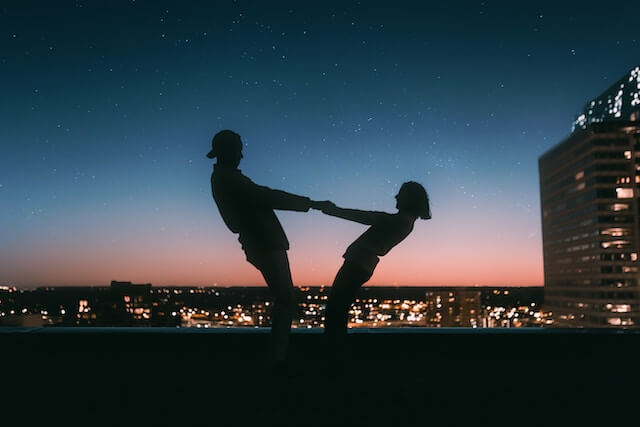
Renewing vows is a beautiful way to rekindle the love and passion in your ongoing dance of marriage. It symbolizes a fresh commitment to each other, reminding you both of the promises and love that brought you together in the first place. This ceremony can be a powerful reminder of the journey you've shared and the future you continue to build together.🤓
As you renew your vows, take the opportunity to reflect on your growth as individuals and as a couple. Celebrate how far you've come and acknowledge the challenges you've overcome together. Use this occasion to reaffirm your love, respect, and support for one another, setting intentions for the future that strengthen your bond.
Planning a vow renewal ceremony can also be an expression of creativity and shared decision-making between partners. Whether it's an intimate gathering or a larger celebration, tailor the event to reflect your unique journey and aspirations as a couple. Consider incorporating personal touches, meaningful rituals, or new promises to infuse fresh energy into your marriage.
Remember that renewing vows is not just about the ceremony itself but about what comes after - nurturing your relationship daily by communicating openly, showing appreciation, and prioritizing each other's happiness. Embrace this opportunity to deepen your connection and keep the flame of love burning bright in your ongoing dance of marriage.
13. Seeking Support When Your Feet Get Tangled: Importance of seeking counseling or guidance for a healthier marriage dance.
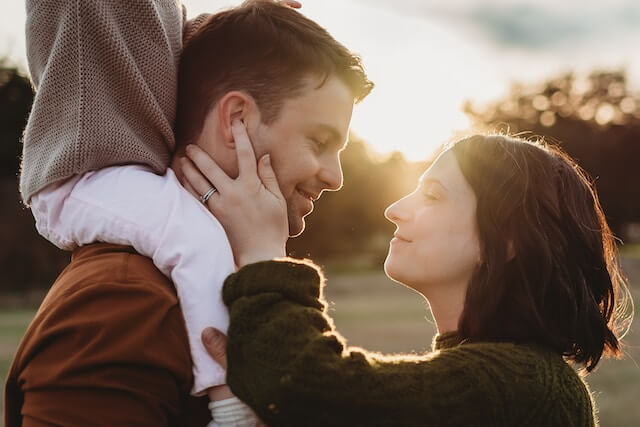
Seeking Support When Your Feet Get Tangled:🙃
Marriage is often compared to a dance - a graceful, intricate art form that requires coordination, communication, and understanding between partners. Just like any dance, there are times when missteps occur, feet get tangled, or the rhythm feels off. During these challenging moments, it's crucial to seek support to navigate through them.
Counseling or guidance can play a vital role in helping couples untangle their feet and find their rhythm again. Professional counselors provide a safe space for partners to express their thoughts and feelings openly while learning effective communication techniques and conflict resolution skills. This outside perspective can offer new insights into dynamics within the relationship that may not be apparent from within.
By seeking support when faced with challenges in marriage, couples demonstrate their commitment to growth and improvement. Counseling can help identify underlying issues, address unhealthy patterns of behavior, and strengthen the bond between partners. It is an investment in the relationship that can lead to greater understanding, empathy, and resilience in the face of future difficulties.
Remember that reaching out for help is not a sign of weakness but an acknowledgment of the complexity of relationships and a willingness to work towards a healthier and more fulfilling partnership. Just as dancers rely on each other to create harmony on the dance floor, couples can benefit from the guidance of trained professionals to navigate the twists and turns of married life with grace and unity.
14. Conclusion: Reflecting on the beauty and complexity of viewing marriage as a dance between partners.
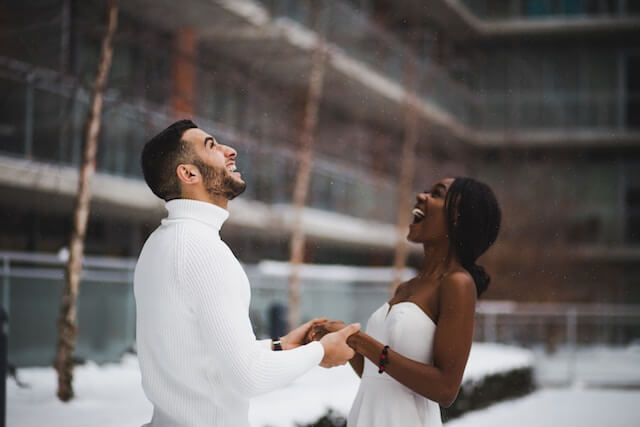
Considering marriage as a dance emphasizes the importance of harmony, rhythm, and synchronization between partners. Like in a dance, marital relationships require mutual understanding, compromise, and the ability to complement each other's moves. Just as dancers support each other's strengths and cover for weaknesses, spouses in a marriage should stand by each other through thick and thin. This analogy reminds us that communication, trust, and respect are vital elements that choreograph a successful and fulfilling partnership.
The concept of marriage as a dance invites us to appreciate the beauty in imperfection and find grace in moments of discord. Just as dancers stumble or miss a step at times, couples will face challenges and disagreements along their journey together. Understanding that these missteps are part of the dance allows partners to learn from mistakes, grow stronger together, and move forward hand in hand. Embracing the ebb and flow of relationships can lead to greater intimacy and connection as both individuals navigate the intricate steps of love together.
Embracing the metaphor of marriage as a dance encourages us to approach our relationships with intentionality and mindfulness. By recognizing that every interaction shapes the rhythm of our partnership, we can strive to be more present, empathetic, and attuned to our spouse's needs. Just as skilled dancers create mesmerizing performances through coordination and collaboration, couples can cultivate a deep sense of unity and companionship by continuously practicing understanding, empathy, and unwavering support within their marriage.
In closing, viewing marriage as a dance offers us a profound perspective on the dynamics of love, harmony, and growth within partnerships. Just like two dancers moving in sync across the dance floor, couples who embrace this metaphor can craft a relationship filled with gracefulness, resilience, and joy. Through shared experiences that test their coordination and trust in one another's lead or follow steps alike along life's intricate choreography - they'll discover new depths of connection - creating beautiful harmony that resonates both on the dance floor -and within their hearts for years to come.
Last Update:


Leave a comment