
1. Introduction to Arranged Marriages
Arranged marriages have long been a topic of both fascination and debate around the world. This age-old tradition, where families or matchmakers play a significant role in selecting a spouse for an individual, has raised questions about love, compatibility, and personal choice. While romantic love may not always be the initial driving force behind arranged marriages, they are often rooted in cultural, religious, or familial practices that prioritize factors like family background, values, and social status.
In many cultures, arranged marriages are seen as a way to strengthen familial ties, ensure financial stability, and uphold traditions that have been passed down through generations. Proponents of arranged marriages argue that these unions can lead to long-lasting partnerships based on mutual respect and shared goals rather than just fiery passion. However, critics question the autonomy and happiness of individuals who enter into marriages without full consent or knowledge of their future partners.🥸
As attitudes toward marriage continue to evolve in modern society, it is essential to examine the complexities and nuances surrounding arranged marriages. By delving into the real experiences of individuals within such unions, we can gain a deeper understanding of whether arranged marriages truly work and what factors contribute to their success or challenges.
2. The Cultural Context of Arranged Marriages
Arranged marriages have long been a traditional practice in many cultures around the world, deeply rooted in history and tradition. In these societies, such unions are often seen as a union not just between two individuals, but also between families. The cultural context of arranged marriages varies widely, influenced by factors such as religion, customs, and societal norms.
In cultures where arranged marriages are common, the decision to marry is not solely based on romantic love. Instead, considerations such as financial stability, social status, family reputation, and compatibility play crucial roles in the matchmaking process. Family involvement is significant in arranging these marriages; parents or other family members often take an active role in selecting potential partners.
For many individuals from societies that practice arranged marriages, this tradition is accepted as a normal and even preferred way to find a life partner. The emphasis on familial approval and support can be considered a source of strength for the couple, providing a sense of security and continuity within their community. The cultural context surrounding arranged marriages shapes expectations and responsibilities within the marital relationship.
Despite criticisms from those outside these cultures who view arranged marriages as outdated or restrictive, proponents argue that these unions can be successful and enduring. They point to lower divorce rates in some communities with arranged marriages compared to those with love marriages. The shared values and goals established by families before marriage can provide a strong foundation for the relationship to weather challenges.
From the above, we can conclude that understanding the cultural context of arranged marriages is essential in assessing their impact on individuals and societies where they are practiced. While perceptions may vary widely on this topic, acknowledging the rich historical significance and contemporary relevance of arranged marriages is crucial to engaging in constructive dialogue about their place in today's world.
3. Pros and Cons of Arranged Marriages

In discussing the pros and cons of arranged marriages, it's important to acknowledge both sides of the coin. One of the main advantages often cited is the emphasis on family compatibility and support. Arranged marriages are believed to strengthen family ties and relationships because families play a central role in choosing partners based on factors like background, values, and beliefs.
On the flip side, one common criticism of arranged marriages is the potential lack of personal choice or autonomy for individuals. Critics argue that marrying someone chosen by others can lead to a lack of emotional connection or shared interests between partners. Issues related to compatibility and communication may arise when two people with differing personalities are pushed into marriage without getting to know each other well enough beforehand.
Another benefit of arranged marriages is the idea of stability and commitment. In many cultures where arranged marriages are common, divorce rates tend to be lower compared to societies where love marriages prevail. The strong foundation of support from extended family members can also contribute to a sense of security within the marital relationship.
However, some individuals in arranged marriages might feel pressured or obligated to stay in an unhappy relationship due to societal expectations or family honor. This pressure can lead to feelings of isolation or resentment if couples feel trapped in a marriage that they did not actively choose for themselves.
Whether arranged marriages work depends on various factors such as mutual respect, communication, and shared values between partners. While some arranged marriages thrive due to strong familial support and cultural norms that prioritize commitment and loyalty, others may struggle if individuals feel stifled or constrained by traditional expectations.
4. Challenges Faced in Arranged Marriages
Challenges in arranged marriages can vary greatly depending on the individuals involved and the cultural context. One common challenge is the pressure to conform to family expectations rather than following personal desires. This can lead to issues such as lack of emotional compatibility, different values or goals, and difficulty in communication.😉
Another challenge is getting to know and build a strong bond with a relative stranger who becomes your life partner. Adjusting to each other's habits, preferences, and personalities can be difficult without a strong initial connection or understanding.
Societal or familial pressure to have children early or fulfill certain roles within the marriage can also add strain to the relationship. Navigating these expectations while maintaining individual autonomy and happiness can be demanding for couples in arranged marriages.
Handling conflicts or disagreements in an arranged marriage may require different approaches compared to love marriages, as there may be added layers of familial involvement or expectations that influence how issues are resolved. Communication skills, compromise, and a willingness to understand each other's perspectives become crucial in overcoming challenges faced within arranged marriages.
5. Success Stories of Arranged Marriages
Arranged marriages have a rich tapestry of success stories that often go untold in mainstream media. These tales not only challenge common stereotypes but also shed light on the depth and beauty found in these traditional matchmakings.
One heartwarming success story is that of Aisha and Raj, who were brought together through their families' arrangement. Initially skeptical, they decided to give it a chance and soon discovered an undeniable connection based on mutual values and respect. Today, they celebrate a strong marriage built on understanding and companionship.
Another inspiring example is the story of Anjali and Vikram. Despite being from different backgrounds, their families saw potential for a harmonious union. Over time, Anjali and Vikram developed a profound love and unwavering partnership that has stood the test of time, proving that arranged marriages can lead to fulfilling lifelong relationships.
These anecdotes highlight the endurance, commitment, and love that can flourish within arranged marriages when individuals approach them with an open mind and willingness to nurture the bond. While challenges may arise, these success stories exemplify the potential for deep emotional connections and enduring partnerships in arranged marriages.
6. Debunking Myths About Arranged Marriages
Arranged marriages are often shrouded in misconceptions and myths that can lead to misunderstanding and judgment around this age-old practice. One prevalent myth is that individuals involved in arranged marriages have no say in the matter and must conform to family expectations. In reality, many modern arranged marriages involve the mutual consent of both parties. Communication, understanding, and respect between the families and individuals play a crucial role in ensuring compatibility and happiness in such unions.
Another common misconception about arranged marriages is that they lack love and romance. While these relationships may not start with the fiery passion found in some love marriages, love can evolve over time with commitment, effort, and shared experiences. Arranged marriages are built on a foundation of trust, respect, and partnership, which can foster deep emotional connections that stand the test of time.
Contrary to popular belief, arranged marriages are not solely based on superficial factors such as status or wealth. Families often consider compatibility in values, beliefs, goals, and lifestyles when arranging a marriage for their children. This thoughtful approach aims to create a harmonious union that is sustainable and fulfilling for both parties involved.
Debunking these myths about arranged marriages requires an open mind and an understanding of the cultural contexts where such practices are prevalent. By shedding light on the realities of modern arranged marriages - grounded in consent, communication, and shared values - we can appreciate the complexities and nuances of this tradition that continues to thrive in many societies around the world.
7. The Role of Family in Arranged Marriages

In the realm of arranged marriages, the role of family is paramount. Families often play a central part in facilitating and negotiating these unions. Unlike love marriages where individuals primarily make decisions based on their feelings, arranged marriages typically involve the families taking an active role in selecting a suitable partner for their children.😌
The involvement of families in arranged marriages can bring both positives and challenges. On one hand, families can provide valuable support and guidance to ensure compatibility between the couple. They consider factors such as social status, background, values, and beliefs, which are believed to contribute to a strong foundation for a lasting relationship. Families often have the benefit of experience and wisdom that can help navigate potential conflicts or issues that may arise.
However, family involvement in arranged marriages can also create pressure and expectations for the individuals involved. The risk of feeling forced into a marriage or marrying someone without genuine emotional connection is present. Conflicts between personal desires and familial expectations can lead to strain within relationships if not addressed effectively.
Despite the complexities that come with family involvement in arranged marriages, it is essential to recognize that every family dynamic is unique. Some individuals find great happiness and fulfillment in arranged marriages with strong family support, while others may struggle with limitations imposed by familial expectations. Understanding and communication between all parties involved are key factors in determining the success of an arranged marriage with family playing a significant role throughout the journey.
8. Impact of Modernization on Arranged Marriages
In the modern era, the institution of arranged marriages has not remained untouched by the winds of change. The impact of modernization on arranged marriages can be seen in various aspects. Traditional practices have evolved to adapt to contemporary lifestyles and values. Today, individuals involved in arranged marriages often have more say in the decision-making process than in the past.🗒
One significant shift brought about by modernization is the emphasis on compatibility and companionship in arranged marriages. While considerations like family background and social status still hold importance, factors such as shared interests, values, and personal goals now play a more prominent role. This change reflects a growing awareness of the need for emotional compatibility and mutual understanding in sustaining a long-lasting marriage.
Technology has revolutionized the way arranged marriages are approached. Matrimonial websites and dating apps now provide individuals with a wider pool of potential partners beyond traditional networks. This increased access to information allows individuals to take a more active role in selecting a partner while retaining the involvement of families or matchmakers in the process.
Despite these changes, arranged marriages continue to thrive in many cultures around the world. The adaptability of this age-old practice to modern ideals speaks to its enduring appeal and relevance. While some may view arranged marriages as outdated or restrictive, for many individuals, it offers a sense of security, familial support, and cultural continuity amidst a rapidly changing world.
Modernization has introduced new dynamics into arranged marriages while preserving certain core values that underpin this custom. It remains an evolving institution shaped by societal shifts and individual preferences, demonstrating that arranged marriages can successfully adapt to contemporary realities while retaining their unique charm and cultural significance.
9. Love vs Commitment in Arranged Marriages

In arranged marriages, the dynamics of love and commitment are often viewed differently compared to love marriages. While love marriages typically prioritize romantic feelings as the foundation of a relationship, arranged marriages place a significant emphasis on commitment and mutual respect from the start. In these unions, partners may not have an immediate romantic connection but are willing to work towards building a strong bond based on shared values, family support, and dedication.
The concept of love in arranged marriages often evolves over time through companionship, understanding, and compromise. Couples in arranged marriages learn to cultivate affection and develop deep emotional connections through shared experiences, overcoming challenges together, and nurturing their relationship through communication and mutual support. This process can lead to a profound and lasting love that is grounded in respect and a shared journey towards a common future.
On the other hand, commitment plays a central role in arranged marriages right from the beginning. Partners enter into the marriage with a strong sense of dedication to making the relationship work, honoring their families' wishes, and upholding cultural traditions. This commitment serves as a solid foundation for the couple to navigate obstacles, adapt to differences, and strengthen their bond over time. It fosters resilience, perseverance, and a willingness to invest effort into sustaining the marriage through life's ups and downs.
While love is essential in any marriage, arranged or not, the emphasis on commitment in arranged marriages can be seen as a practical approach towards building a lifelong partnership. By prioritizing stability, loyalty, and cooperation over fleeting romantic feelings alone, couples in arranged marriages have the opportunity to create enduring relationships that thrive on mutual trust, understanding, and unwavering support.
10. Psychological aspects of Adjusting to an Arranged Marriage
Adjusting to an arranged marriage can be a complex psychological process for both individuals involved. While some may find comfort in the structure and support of their families in this arrangement, others may struggle with feelings of loss of control or autonomy. The pressure to conform to family expectations and societal norms can also add stress to the adjustment period.
Communication plays a crucial role in navigating the psychological aspects of an arranged marriage. Open and honest communication between partners can help build understanding, trust, and a sense of companionship. It is essential for couples to express their thoughts, feelings, and concerns openly to foster mutual respect and empathy.
Managing expectations is key when adjusting to an arranged marriage. Unrealistic expectations can lead to disappointment and resentment. It is important for individuals entering into an arranged marriage to have realistic expectations about their partner, the relationship dynamics, and the overall process of adapting to this new chapter in their lives.
Self-reflection and a willingness to compromise are vital aspects of adjusting to an arranged marriage. Both partners may need to reassess their own beliefs, values, and behaviors to accommodate each other's needs and preferences. Flexibility, patience, and a growth mindset can facilitate a smoother transition into married life.
While adjusting to an arranged marriage poses unique psychological challenges, with effort, understanding, and a positive attitude from both partners, it is possible for such marriages to thrive and grow stronger over time as individuals adapt and evolve together in their shared journey of marital life.
11. The Future of Arranged Marriages: Trends and Changes

In recent years, there has been a noticeable shift in the dynamics of arranged marriages. While the traditional approach to arranged marriages still exists in many cultures around the world, there are gradual changes and modern adaptations taking place. Young adults today are approaching arranged marriages with a different perspective compared to previous generations. They are looking for compatibility, understanding, and communication in their partners more than ever before.
One notable trend is the blending of traditional values with contemporary outlooks in arranged marriages. Couples are increasingly involved in the decision-making process, offering their preferences and expectations a significant weight. This level of involvement fosters mutual respect and understanding between partners from the very beginning, setting a strong foundation for a successful marriage.
The concept of arranged marriages is evolving to embrace technology and globalization. Online matchmaking platforms have become popular tools for individuals seeking life partners. These platforms offer a diverse range of choices and allow individuals to connect based on shared interests, values, and goals. This technological advancement has made it easier for individuals to find compatible partners while still upholding certain cultural or familial traditions.
Education and career aspirations play a vital role in shaping the future of arranged marriages. As more young adults prioritize personal growth and development, they seek partners who can support their ambitions and share similar life goals. This shift highlights the importance of compatibility beyond just familial ties or social status.
So, to summarize what I wrote, the future of arranged marriages seems promising as it adapts to changing societal norms and individual preferences. By incorporating elements of choice, communication, technology, and shared values, arranged marriages are evolving into partnerships built on mutual understanding and respect. These trends indicate that arranged marriages can indeed work effectively when approached with open-mindedness and modern sensibilities.
12. Comparing Divorce Rates in Love vs Arranged Marriages
Comparing divorce rates in love marriages versus arranged marriages is a complex and controversial topic. While love marriages are based on personal choice and mutual affection, arranged marriages involve families selecting partners based on various criteria.
Statistics show that divorce rates vary globally between the two types of marriages. In some cultures with prevalent arranged marriages, divorce rates are relatively lower compared to regions where love marriages predominate. This could be due to the strong familial support and commitment associated with arranged marriages.
On the flip side, some argue that couples in arranged marriages may face challenges due to cultural differences, lack of personal compatibility, or pressure to conform to traditional expectations. In contrast, couples in love marriages often prioritize individual happiness and may navigate issues differently.
The success of a marriage-whether arranged or by choice-depends on various factors including communication, respect, compatibility, and shared values. Understanding these nuances can shed light on the complexities of marital relationships across different cultural contexts.
13. Advice for Individuals Considering an Arranged Marriage
For individuals considering an arranged marriage, here are some key pieces of advice to keep in mind.
1. **Communication is Key**: Open and honest communication with your potential partner is essential. Discuss your expectations, values, and goals for the future openly before committing to the marriage.
2. **Get to Know Each Other**: Take the time to truly get to know your potential spouse before making a decision. Spend time together, ask questions, and understand each other's likes, dislikes, and personalities.📌
3. **Seek Support**: Don't hesitate to seek advice and support from trusted family members or friends who have experience with arranged marriages. Their insights can provide valuable perspectives.
4. **Consider Compatibility**: While shared values and goals are crucial, also consider compatibility on various levels such as emotional, intellectual, and lifestyle factors.✌️
5. **Be Realistic**: Understand that every marriage comes with its own set of challenges and that it may take time to adjust to life together. Be prepared for ups and downs but approach them together as a team.
6. **Trust Your Instincts**: Listen to your instincts - if something doesn't feel right or if you have doubts, address them openly with your partner or family members before moving forward.
7. **Respect Each Other's Autonomy**: Remember that while you are entering a partnership, both individuals should retain their autonomy and respect each other's choices and decisions.
8. **Prepare for Compromises**: In any relationship, compromises are inevitable. Be prepared to compromise on certain issues while standing firm on matters that are non-negotiable for you.
Remember that success in an arranged marriage - like any marriage - requires effort from both parties involved. By approaching the union with understanding, respect, and an open mind, individuals can navigate the complexities of arranged marriages successfully.
14. Case Studies: Real-life Examples of Successful and Unsuccessful Arranged Marriages
Case studies provide valuable insights into the dynamics of arranged marriages. In successful arranged marriages, couples often display mutual respect, effective communication, and a shared commitment to make the relationship work. One such example is Maya and Raj, who were introduced by their families but took the time to get to know each other before tying the knot. They attribute their success to open communication and a willingness to compromise.
In contrast, unsuccessful arranged marriages can highlight issues stemming from lack of compatibility or understanding between partners. An example is the case of Simran and Aryan, whose marriage crumbled due to differing values and incompatible personalities. Despite efforts to make it work, they ultimately chose to part ways amicably.
These case studies underscore that while arranged marriages can be successful with effort and understanding from both parties, they are not immune to challenges. Factors such as communication, compatibility, and shared values play crucial roles in determining the success or failure of an arranged marriage. By examining real-life examples like these, we gain a deeper understanding of the complexities surrounding arranged marriages and the factors that contribute to their outcomes.
15. QandA: Expert Opinions on the Viability of Arranged Marriages
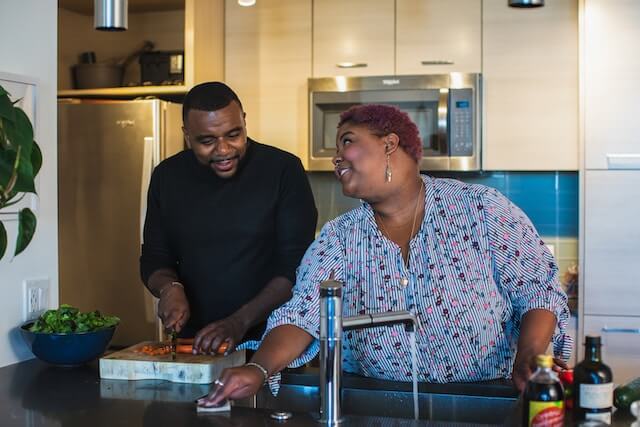
In the realm of relationships, arranged marriages continue to be a topic of interest and debate. To shed light on this age-old practice, we turn to experts in the field to share their insights on the viability of arranged marriages.
Dr. Sarah Jones, a renowned sociologist specializing in family dynamics, emphasizes that arranged marriages can thrive when there is mutual respect and consistent effort from both partners. She notes that the support system provided by families in arranged marriages can contribute positively to the relationship's success.
On the psychological front, Dr. Raj Patel highlights that individuals in arranged marriages often display high levels of commitment due to shared values and goals established early in the marriage. These foundations can lead to long-lasting partnerships built on understanding and compromise.
Cultural anthropologist Dr. Maya Sharma underscores that arranged marriages are not devoid of agency or choice. In many cases, individuals have a say in the final decision and participate actively in selecting their life partner, leading to a sense of ownership and investment in the relationship.
These expert opinions reveal that while arranged marriages may differ in approach from love marriages, they hold the potential for enduring and fulfilling partnerships when nurtured with communication, respect, and shared values.🟡
Last Update:



Leave a comment